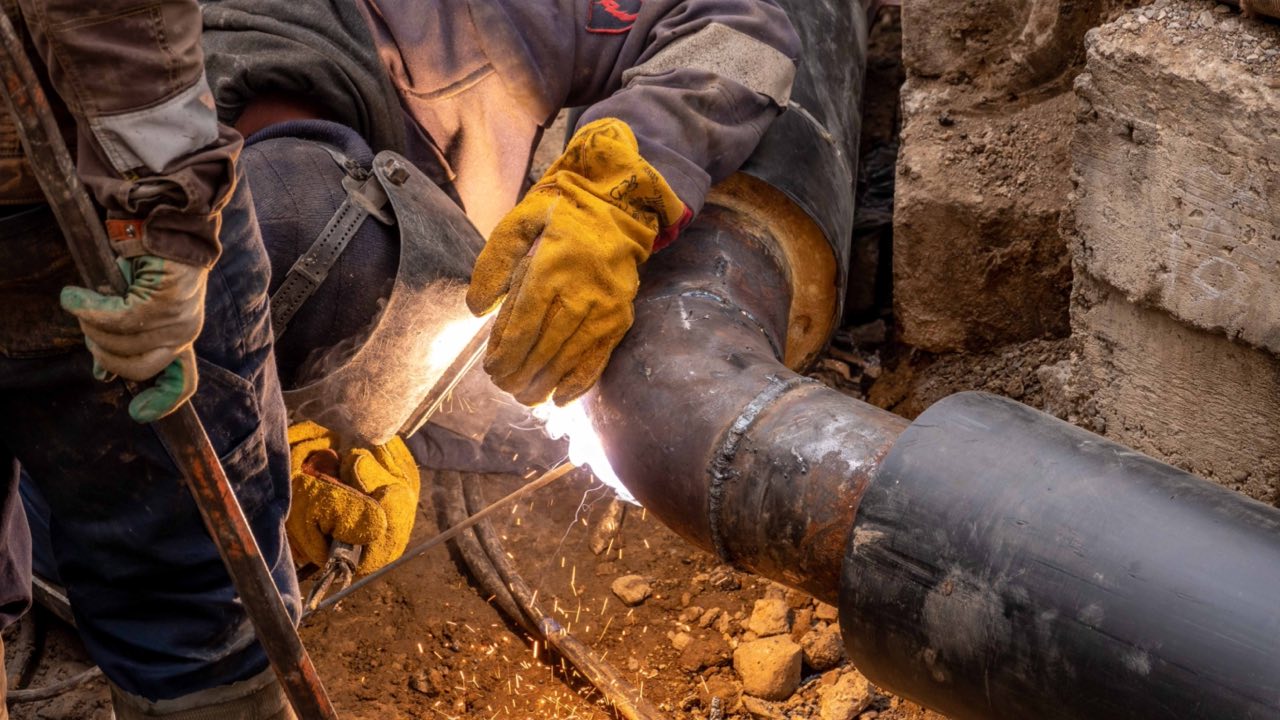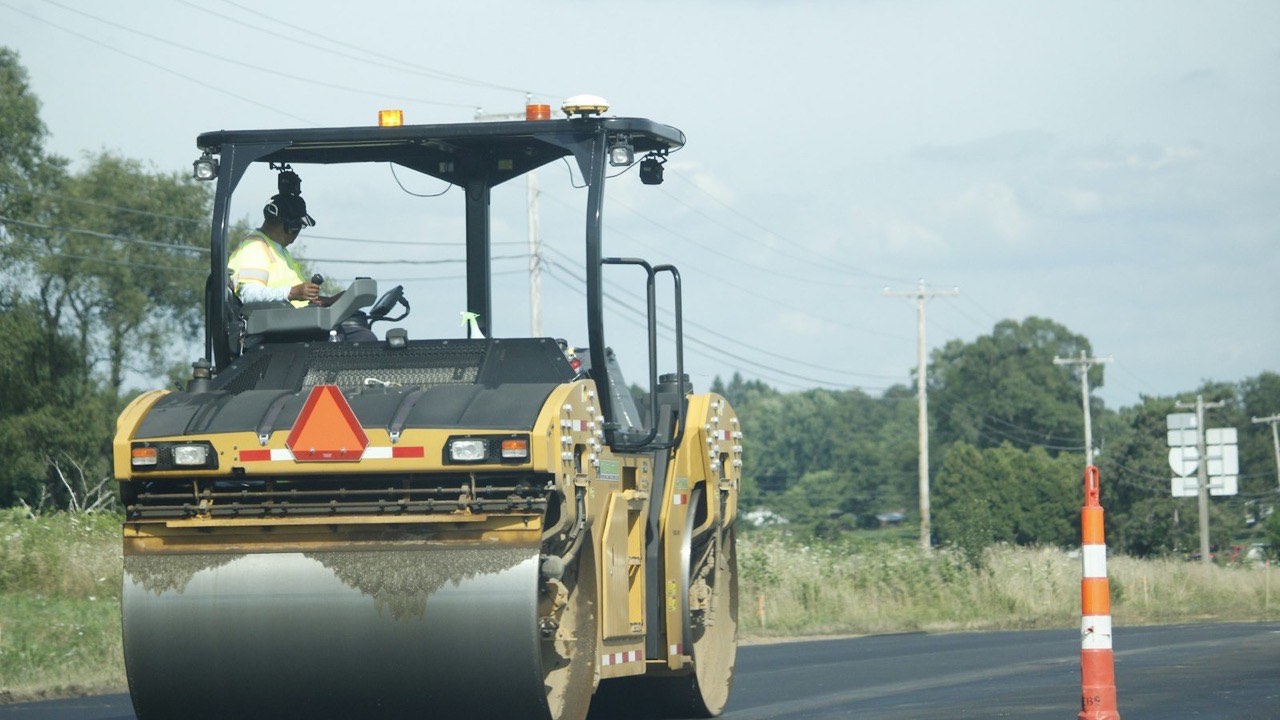
Two road milling contracts, same machine, same crew, similar total area. One goes through half a drum of picks. The other burns through three full sets before it’s done. The difference isn’t the machine and it isn’t bad luck — it’s what’s in the road surface, and how the aggregate and binder characteristics interact with carbide at cutting speed.
Understanding what drives consumption by surface type is what separates a tooth budget that holds through the season from one that blows out on the first hard job.
Why Surface Composition Is the Real Variable
A milling pick cuts by fracturing and shearing material at the carbide tip. The energy required to do that, and the wear imposed on the carbide in the process, depends on the hardness of the aggregate in the pavement, the toughness of the binder holding it together, and whether the material fractures cleanly or fights the pick.
Soft, well-aged asphalt with small aggregate gives the carbide an easy time — the binder has oxidized and become brittle, the aggregate is soft, and the pick fractures material cleanly with low contact stress. Carbide wears slowly because it isn’t working hard.
Hard aggregate in a stiff matrix — polymer-modified asphalt, concrete-aggregate surfaces, or pavement with significant stone content — puts the carbide under sustained high-stress contact on every cut. The wear rate climbs, sometimes dramatically, because the carbide is fighting material that pushes back.
Standard Asphalt: The Baseline
Conventional hot-mix asphalt on a typical road milling job — surface course or binder course, no polymer modification, aggregate in the 10 to 20mm range — is the condition manufacturers design picks for. Tooth life in these conditions runs 3,000 to 8,000 linear meters per pick on a well-maintained drum, depending on milling depth and drum speed.
Within standard asphalt, age and condition matter. Older pavement where the binder has oxidized and lost flexibility mills more easily than fresh asphalt — the material is more brittle and fractures cleanly at lower cutting forces. Freshly laid asphalt that’s being removed (a rework situation) can be harder to mill because the binder is still elastic and resists fracturing, absorbing energy rather than breaking. Operators on rework jobs often notice higher tooth consumption than they’d expect from the pavement type alone.
Polymer-Modified Asphalt: Where Consumption Climbs
Polymer-modified bitumen — SBS, SBR, and similar modifier types used in high-traffic and airport pavement — is significantly tougher than standard asphalt. The polymer chains make the binder elastic and resistant to fracture, which is exactly what makes it perform well in service and exactly what makes it hard to mill.
Milling polymer-modified asphalt puts higher continuous load on the carbide tip because the material doesn’t fracture as cleanly. The pick has to work harder to shear through the binder, and that increased cutting force translates directly into higher carbide wear. Tooth consumption in polymer-modified asphalt typically runs 30 to 60 percent higher than in standard asphalt of similar depth, with the range depending on modifier content and pavement age.
Airport runway surfaces are the most demanding version of this. High polymer content, often combined with high stone content and deep milling requirements, can push tooth consumption to two or three times the standard asphalt baseline on the same drum. Contracts that don’t account for this when pricing tooth costs end up absorbing the difference somewhere else in the margin.
Concrete and Hard Aggregate Surfaces
Cold milling of concrete — either concrete pavement directly, or asphalt over concrete where the cutter is reaching the substrate — is the harshest condition for carbide. Concrete aggregate is typically harder than asphalt aggregate, the cementitious binder is rigid and transfers impact forces directly to the pick, and the cutting mechanism shifts from shearing to fracturing and grinding.
Tooth consumption in concrete milling can run five to ten times higher than in standard asphalt, depending on aggregate hardness and concrete strength. This is the condition where carbide grade selection becomes critical — picks designed for asphalt may fail rapidly in concrete due to tip fracture rather than abrasion, because the impact loads from hard aggregate exceed what a standard carbide formulation handles well.
Reclaimed asphalt pavement that contains significant recycled concrete aggregate (common in older base courses) presents a similar problem in a less obvious form. The surface looks like asphalt but contains concrete fines and fragments that impose significantly higher wear on carbide. Sites where the base material history is unknown are worth probing before assuming standard asphalt consumption rates.
High Stone Content and Gap-Graded Mixes
Stone mastic asphalt, gap-graded mixes, and surface dressings with large chip aggregate are tougher on picks than standard dense-graded asphalt at similar depths. The large aggregate size means each pick impact contacts a stone face rather than finer aggregate embedded in binder — the contact stress per strike is higher, and tip fracture risk increases with stone size.
Gap-graded mixes also tend to have higher binder content to coat the larger aggregate, which makes the matrix tougher in addition to the hard aggregate problem. The combination — hard aggregate in a tough binder — puts these surfaces in a wear category above standard asphalt even when the pavement isn’t polymer-modified.
Building a Consumption Estimate by Surface Type
The practical implication is that a single tooth consumption rate can’t apply across a varied project. A resurfacing contract covering standard asphalt urban roads and an airport ramp rehabilitation on polymer-modified pavement in the same season requires separate tooth budgets for each scope.
The estimate framework is straightforward: identify the surface type and any modifiers from the project specification or a surface core sample, assign a consumption multiplier relative to your baseline (standard asphalt = 1.0, polymer-modified = 1.3–1.6, concrete = 5–10), apply that to the area and depth to get total expected picks consumed, then add a buffer sized to the uncertainty in the surface assessment.
For sourcing milling machine teeth across varied contract types, having a supplier who can specify carbide grade by application — asphalt-optimized versus concrete-duty formulations — makes the grade selection decision straightforward rather than requiring you to work it out from first principles on each job. The pick that’s cost-effective on standard asphalt is often the wrong choice for a concrete milling contract, and running the wrong carbide grade in either direction wastes money on either consumption rate or unnecessary specification.
The surface is what it is. The tooth budget should reflect it before the job starts, not after the first drum wears out faster than expected.